


Keys Inclusion Pathways
-

Reintegration, Re-engagement and Readiness for Education or Training
-

EBSA, SEMH, Autism, ADHD, ASD, Mental Health, Complex trauma or Attachment Difficulties
-

5-20 years
-

England & Wales
-

Non-School Alternative Provision
About our Inclusion Pathways
Creating personalised routes that support learners to progress into wider Keys education, training and employment opportunities.
Keys Inclusion Pathways offer trauma-informed and technology-enabled learning opportunities for children and young people who cannot access traditional or specialist schools.
Keys Inclusion Pathways take education beyond the classroom, providing personalised, future-focused pathways that place each learner’s needs at the centre. We assume nothing and are ambitious for every learner. With a focus on clear planned transitions, Keys Inclusion Pathways enable measurable progress through skilled support.
The pathway includes Keys Engage, Keys Tuition, Keys Alternative Learning and Keys Online School.

Discover Keys Inclusion Pathways
Our Keys Inclusion Pathways include approaches that can be used individually or blended to create a bespoke programme.
Each approach supports a specific stage of a learner’s journey, with a common focus on transition back into school or onward to a positive next destination such as education, employment, or training whenever possible.
Every Keys Inclusion Pathways plan is bespoke. We design around the learner—not the label—integrating the right elements, at the right time, in the right sequence.
-
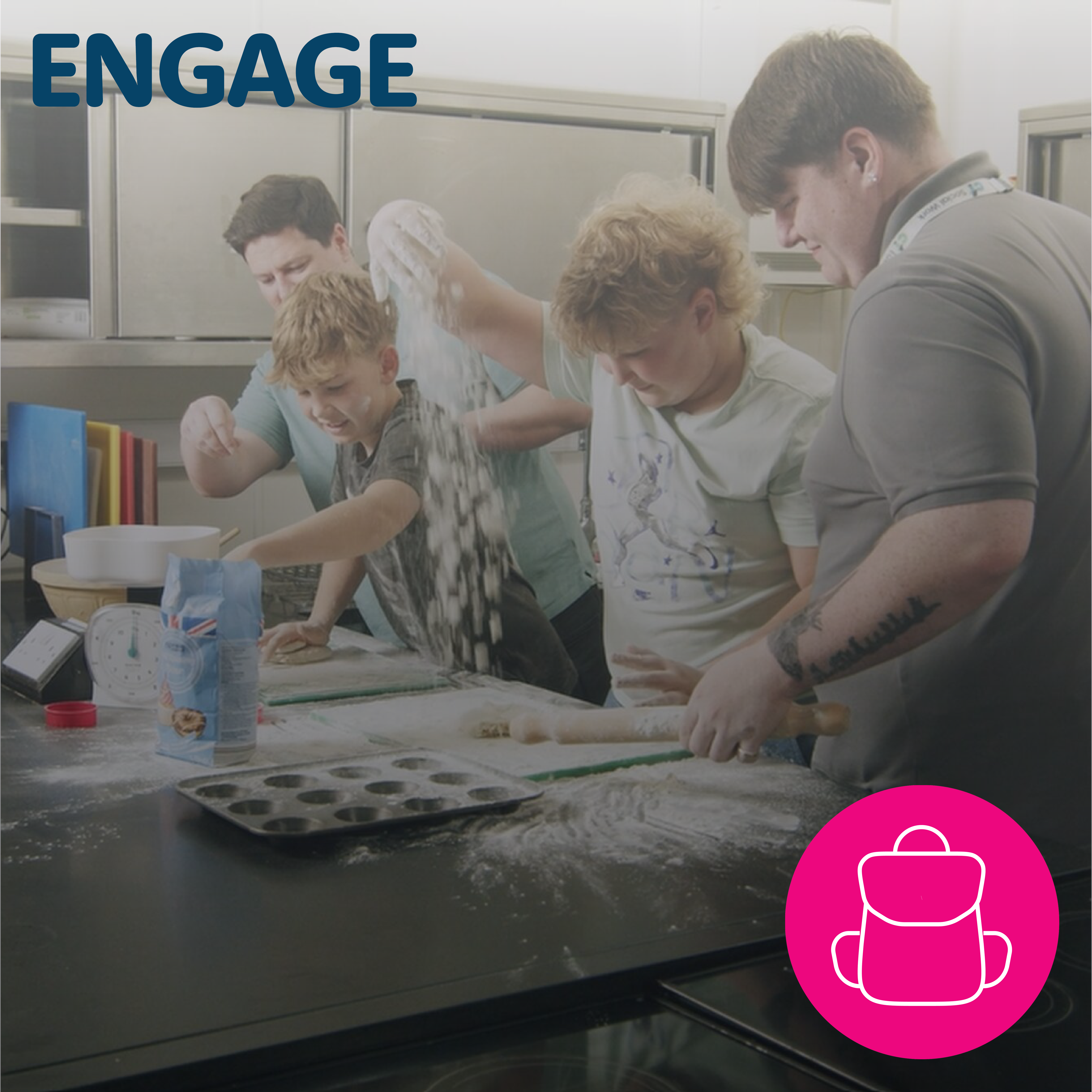
Keys Engage
Keys Engage provides the earliest stabilising input, forming the foundation from which learners can progress seamlessly into any other Keys offering in education, training or employment.
-

Keys Tuition
Keys Tuition builds on that foundation with personalised academic support, offering a pathway any other Keys offering in education, training or employment, in contexts where a young person requires specific knowledge and skills‑based development.
-
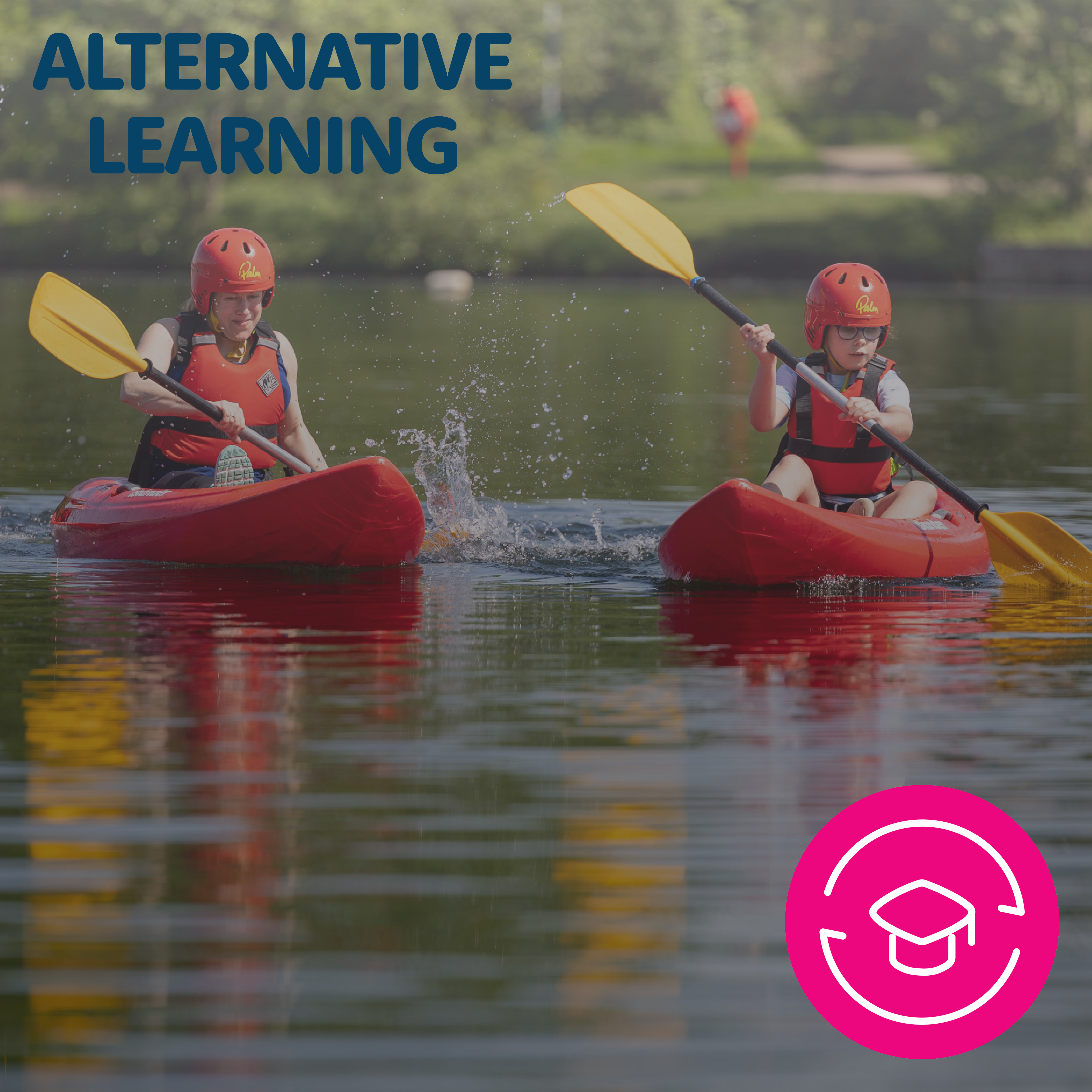
Keys Alternative Learning
Keys Alternative Learning extends this journey by preparing learners for greater independence when flexible, curriculum-led learning is both clinically and academically appropriate. The programme supports transition into any other Keys offering in education, training or employment.
-
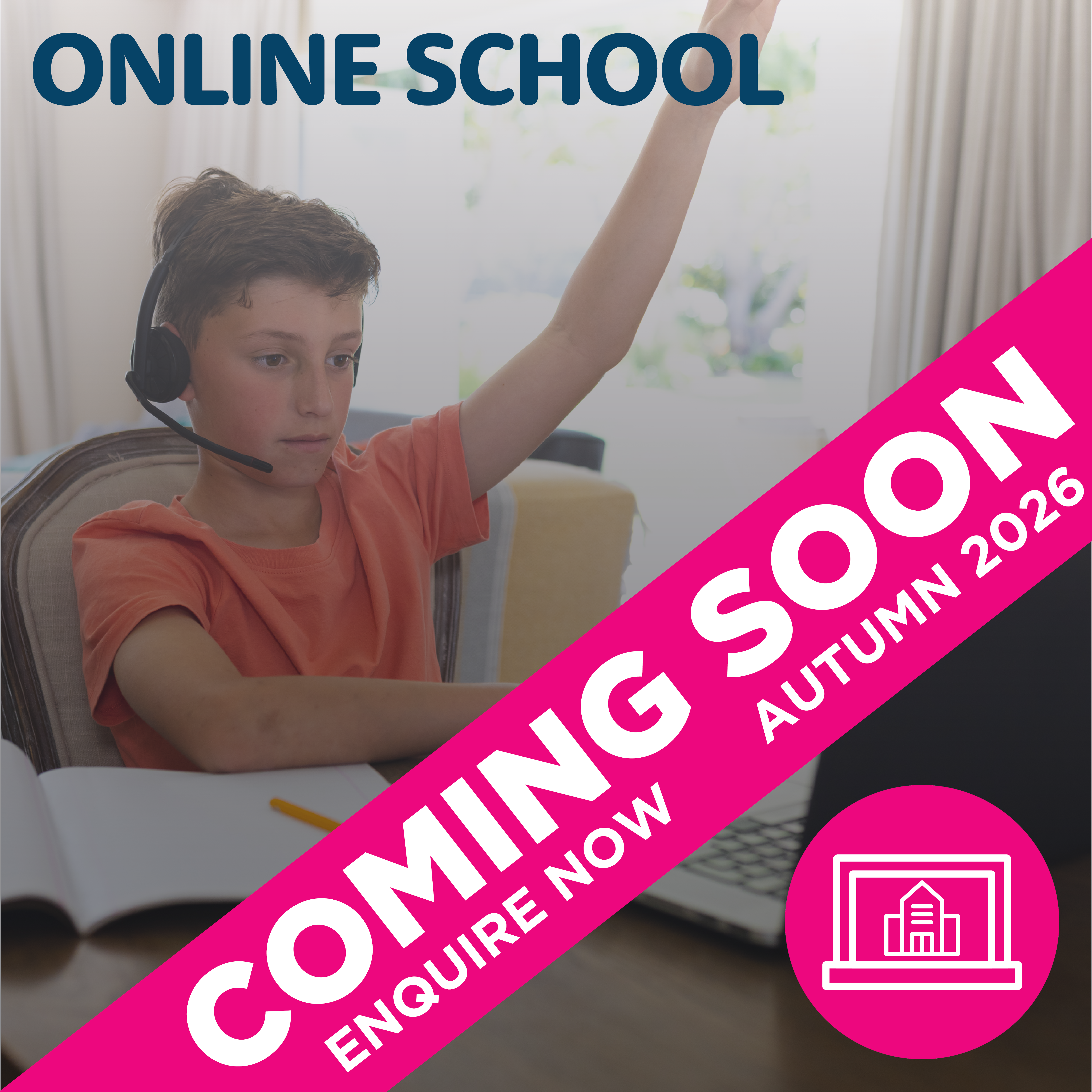
Keys Online School
Keys Online School completes the pathway by delivering full-time, accredited online provision that enables reintegration or onward transition, while retaining flexibility to reconnect with earlier stages if intensity needs to reduce.


Together, Keys Engage, Keys Tuition, Keys Alternative Learning and Keys Online School form a continuous pathway in which support levels shift as children stabilise, ensuring personalised provision, better outcomes and smooth transitions without multiple service handoffs.
Keys Inclusion Pathways FAQ's
-
Who do Keys Inclusion Pathways support?
Keys Inclusion Pathways support children and young people who cannot currently access full-time, traditional or specialist school settings.
This may include learners who:
-
Experience Emotionally Based School Avoidance (EBSA/EBSNA)
-
Have special educational needs or neurodiversity
-
Have experienced exclusion or disrupted education
-
Need Education Other Than At School (EOTAS)
-
Live in residential care
-
Require a personalised pathway back into learning
Our programmes are designed to stabilise, re-engage and prepare learners for their next step in education, training or employment.
-
-
Who can make a referral?
Referrals are commonly made by:
-
Local authorities
-
SEN teams
-
Schools or SENCOs
-
Virtual schools
-
Social workers
-
Residential care providers
Parents or carers can also contact us to discuss their child’s needs.
-
-
How do I make a referral?
To discuss a referral or learn more about Keys Inclusion Pathways, please contact:
education.referrals@keys-group.co.uk
Our team will talk through the learner’s needs and help identify the most appropriate pathway.
-
How do you decide which pathway a learner should join?
Every learner begins with a needs-led discussion and assessment.
We consider factors such as:
-
Educational history
-
Current engagement with learning
-
Emotional wellbeing
-
SEND or neurodiversity
-
EHCP outcomes (where applicable)
-
Long-term goals
Many learners access more than one pathway over time as their confidence and readiness grow.
-
-
Can learners move between pathways?
Yes. The pathways are designed to be flexible and connected.
A learner might begin with Keys Engage, move into Alternative Learning, and later transition to mainstream education, college, or employment pathways.
Programmes are adapted as progress is made.
-
Are the programmes aligned with EHCP outcomes?
Yes. Where learners have an Education, Health and Care Plan (EHCP), programmes are designed to support the outcomes and provision outlined within the plan.
-
What qualifications can learners achieve?
Depending on the pathway, learners may access qualifications including:
-
Functional Skills (English and Maths)
-
Digital Skills
-
PSHE and Employability
-
AQA Unit Awards
-
ASDAN
-
Open Awards
-
Agored qualifications
-
Learning in the Outdoors GCSE
Some learners can also sit exams at home where anxiety or circumstances make traditional exam centres difficult.
-
-
How long do programmes last?
Programme length varies depending on the learner’s needs and the pathway they are accessing.
Keys Engage, Keys Tuition and Keys Alternative Learning are non-school alternative provision pathways, meaning they are typically delivered on a short-term or part-time basis. The duration and hours of support are agreed with the referrer and designed to meet the learner’s individual needs and regulatory expectations for alternative provision.
Keys Online School is different, providing a full-time education programme with over 25 hours of learning each week. The online school is designed for learners who require a structured, full curriculum delivered remotely.
Our aim across all pathways is to provide the right level of support for as long as it is needed to help learners stabilise, re-engage and prepare for their next steps in education or training.
-
Do learners receive therapeutic or specialist support?
Yes. Learners can access support from Keys Group’s multidisciplinary clinical team, including:
-
Educational Psychologists
-
Assistant Psychologists
-
Speech and Language Therapists
-
Occupational Therapists
-
Specialist SEND advisors
Support is matched to each learner’s needs.
-
-
What outcomes do learners achieve?
Our pathways are designed to support:
-
Improved engagement with learning
-
Greater emotional stability and confidence
-
Academic progress and qualifications
-
Reduced risk of exclusion
-
Successful reintegration into education or training
-
Positive onward destinations
-
-
How do stakeholders know when the pathway is working?
Progress is measured through Keys’ KIP Delta framework, an outcomes-focused model used across Keys Engage, Keys Tuition and Keys Alternative Learning.

KIP Delta provides a consistent way to track a learner’s development across both academic progress and wider personal growth, including areas such as engagement, emotional regulation, confidence and independence.
The framework supports:
-
Clear goal-setting from the start of the programme
-
Regular progress monitoring and review
-
A shared language between tutors, families and referrers
-
Stronger relationships built around the learner’s progress and wellbeing
This helps ensure stakeholders can clearly see how a learner is stabilising, re-engaging and moving towards their next steps in education, training or employment.
-



Keys Schools
Our inclusion pathways can lead directly into Keys Schools, where pupils are supported by experienced education professionals in a nurturing environment.
Keys Schools provide specialist, therapeutic education for children and young people who need a more personalised approach to learning.
This flexible approach helps each young person re-engage with education and progress positively.


Mark H, Parent"I can’t thank Keys enough for the care and support they’ve provided for my daughter. The staff are always attentive, and they genuinely listen to her needs. She has made amazing progress in both her education and personal growth, and I see a brighter future for her every day. Keys has truly changed our lives for the better."
Have a Question or Ready to Make a Referral?
Our team is here to help you find the right path for your child. Contact us today to discuss your needs or to begin the referral process.
You can also contact us directly at:
 KIPreferrals@keys-group.co.uk
 0121 728 7800